1. Communication Skills
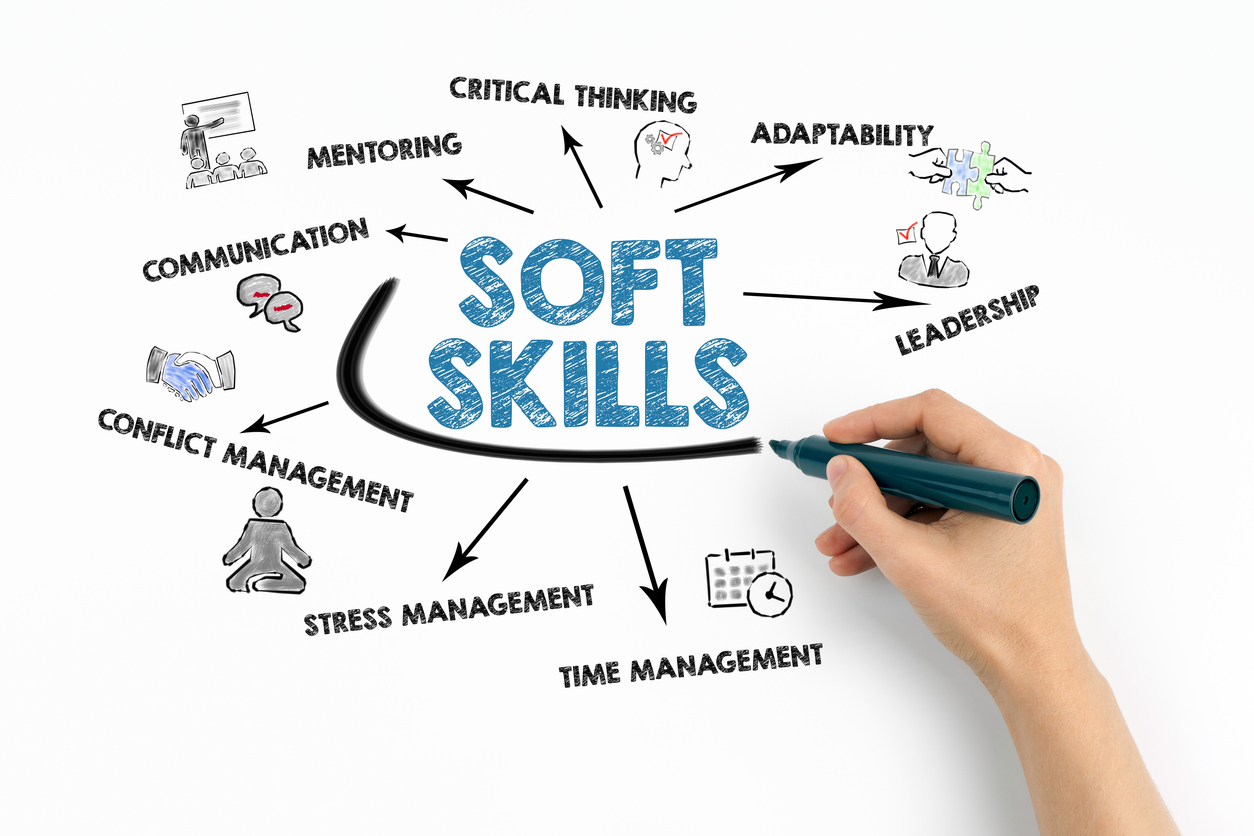
Clear and concise communication — both verbal and written — is the foundation of any successful professional. Whether it's presenting ideas in meetings, writing emails, or interacting with clients, strong communication skills help convey your thoughts effectively. Active listening, confidence, and empathy are key parts of being a good communicator.
2. Teamwork
Most jobs involve working in teams — whether it's for group projects, cross-functional collaboration, or managing team-based tasks. Teamwork means being reliable, respecting others’ opinions, resolving conflicts professionally, and celebrating group success over individual credit. It's one of the most valued soft skills across industries.
3. Problem-Solving
Employers highly value candidates who can analyze situations, identify issues, and find logical solutions. Problem-solving shows your ability to stay calm under pressure and tackle real-world challenges. This skill is not only for technical roles — even in management, sales, or creative fields, problem-solving is critical.
4. Adaptability
In today’s fast-changing world, being flexible and willing to adapt is a huge advantage. Whether it’s learning a new tool, adjusting to a remote work setup, or responding to a crisis — those who stay positive and open to change are more likely to grow and succeed in their careers.
5. Time Management
Juggling multiple tasks, meeting deadlines, and staying organized are all part of good time management. It helps boost productivity and reduce stress. Using planners, setting priorities, breaking large tasks into smaller ones, and avoiding procrastination are smart ways to manage your time better.
6. Leadership
You don't need a title to be a leader. Leadership is about taking initiative, motivating others, managing responsibilities, and leading by example. Strong leadership skills also involve emotional intelligence, accountability, and the ability to delegate and mentor others effectively.
7. Creativity
Creativity isn't limited to artists or designers. It’s about thinking outside the box — coming up with new ideas, solving problems in unconventional ways, and improving existing systems. Innovation and creativity drive growth in every field, from engineering to marketing to entrepreneurship.
8. Emotional Intelligence
Also known as EQ, emotional intelligence is your ability to understand and manage your own emotions, as well as recognize and influence the emotions of others. It’s vital in team settings, leadership roles, and conflict resolution. A high EQ leads to better workplace relationships and personal well-being.
9. Work Ethic
Having a strong work ethic means being reliable, punctual, honest, and consistently putting in effort. It shows that you're dependable and committed. Employers look for people who take ownership, meet deadlines, and strive for quality — even when no one’s watching.
10. Networking Skills
Good networking can open doors to internships, mentorships, jobs, and learning opportunities. It involves building and maintaining relationships both online (like on LinkedIn) and offline (through events or college alumni). Remember — it’s not just about who you know, but who knows you.